
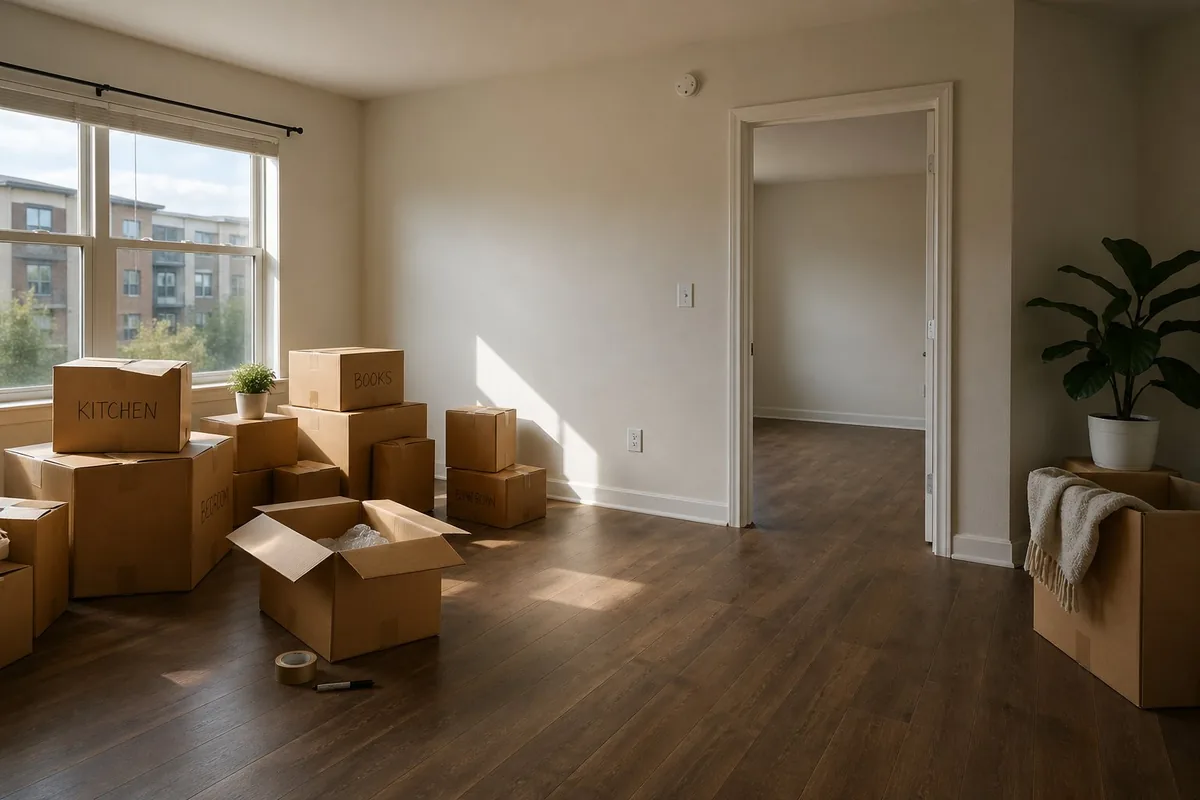
Getting your deposit back in San Francisco is not just about leaving the place looking clean. It is about meeting a specific standard — and that standard is usually higher than what most tenants expect.
The frustrating part is that a lot of people do a genuinely solid job cleaning, feel good walking out, and still get hit with deductions for things they never thought to check. Not because the place was dirty, but because a few specific spots got missed. This guide covers what actually gets looked at during a San Francisco move-out walkthrough, where people consistently fall short, and what a proper move-out clean actually involves.
If something gets flagged, it is almost always the kitchen. Landlords do not just look at the surface — they open things. The oven is usually first. Grease buildup inside the oven is one of the most common deductions in SF rentals, and it is completely avoidable. Same with the inside of the fridge. Shelves, drawers, the rubber door seal — all of it gets checked. If there is a smell or visible residue, that is an automatic note.
The range hood is another one people forget. Grease collects in the filter and around the edges over months, and most people just stop noticing it. Cabinet interiors and the backsplash behind the stove also get a look. The sink and faucet — water spots, limescale around the base, residue where the faucet meets the counter — are all fair game.
If the oven or fridge is dirty at walkthrough, expect a deduction. These are the two items landlords check first and the two tenants most often skip. A dirty oven in an otherwise clean apartment is still a dirty apartment to a property manager.
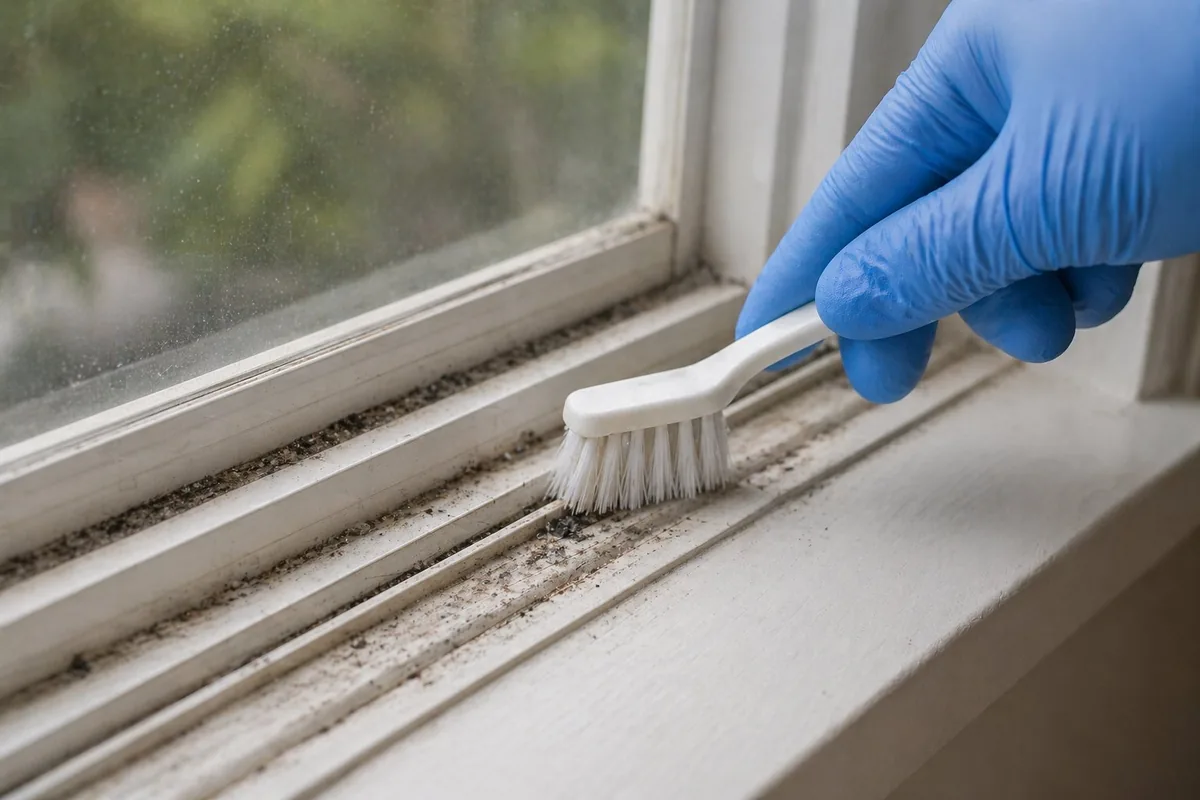
Window tracks are one of the most commonly missed items — and one of the first things a thorough landlord checks.
Bathrooms are less about clutter and more about buildup. The things that get flagged here are usually things that accumulated gradually and became invisible to the person living there — soap scum on shower glass, grout that is discolored rather than dirty, residue around fixtures.
The toilet gets checked including the base and behind it. The drain. The caulk line between the tub and the wall. The inside of vanity cabinets and drawers. Landlords who have been around long enough have seen every version of a bathroom that looks acceptable at a glance but has not been properly cleaned in six months. They know where to look.
Bedrooms and living areas are generally easier — but that does not mean they get skipped. Floors need to be properly cleaned, not just vacuumed once. Baseboards get looked at closely, especially in corners. Closet interiors — the shelves, the rod, the floor — need to be empty and wiped down, not just emptied. Window sills and ledges collect dust that becomes obvious in an empty room with good light coming through.
Walls are where a lot of people get surprised. Scuff marks, grease spots, and stains that are easy to overlook when the furniture is in front of them become very visible in an empty room. Light marks can usually be wiped off. Anything more significant may lead to a cleaning or repainting charge, which is one of the more expensive deductions a landlord can make.
This is honestly where most deductions come from. Not the obvious areas — the small details that individually take five minutes each but collectively make the difference between a clean apartment and a professionally cleaned one.
Window tracks are a big one. They trap debris and are awkward to clean properly, so most people skip them. Door frames and the tops of doors collect grime that is only visible up close. Light switch plates get touched hundreds of times and almost never wiped down. The gap between the stove and the counter. The area behind the refrigerator. Ceiling fans. These are not hard to clean — they just require actually doing it, and most people moving out are tired and running short on time.
Before your walkthrough, go through the apartment with the overhead lights on and look at everything from the landlord's perspective — not the tenant's. An empty unit looks completely different. Marks that were hidden behind furniture, dust that was in shadow, buildup you stopped seeing months ago — all of it becomes obvious the moment the space is bare and bright. Do this walk after the clean and before you hand back the keys.
Here is what a proper move-out clean actually covers. Use this to verify the work before your walkthrough, whether you are doing it yourself or checking a professional's work.
| Task | Done |
|---|---|
| Kitchen | |
| Oven cleaned inside and out | ☐ |
| Refrigerator cleaned inside — shelves, drawers, door seal | ☐ |
| Cabinets wiped inside and out | ☐ |
| Countertops and backsplash cleaned | ☐ |
| Stovetop and grease buildup around stove removed | ☐ |
| Range hood exterior wiped down | ☐ |
| Microwave cleaned inside and out | ☐ |
| Sink, faucet, and drain cleaned | ☐ |
| Dishwasher edges and controls wiped | ☐ |
| Baseboards hand-wiped | ☐ |
| Window tracks cleared | ☐ |
| Doorknobs and switch plates cleaned | ☐ |
| Floors swept, mopped | ☐ |
| Bathrooms | |
| Shower and tub scrubbed — walls, grout, fixtures | ☐ |
| Toilet cleaned including base and behind | ☐ |
| Sink, faucet, and drain cleaned | ☐ |
| Vanity cabinets and drawers cleaned inside and out | ☐ |
| Mirror cleaned | ☐ |
| Baseboards hand-wiped | ☐ |
| Window tracks cleared | ☐ |
| Doorknobs and switch plates wiped | ☐ |
| Floors swept, mopped | ☐ |
| Bedrooms and Living Areas | |
| Walls spot-cleaned for scuffs and marks | ☐ |
| Closets emptied — shelves, rods, and floors wiped | ☐ |
| Interior doors and frames wiped down | ☐ |
| Baseboards wiped throughout | ☐ |
| Ceiling fans and light fixtures cleaned | ☐ |
| Window sills, ledges, and tracks cleaned | ☐ |
| Blinds dusted | ☐ |
| Doorknobs and switch plates wiped | ☐ |
| Cobwebs removed | ☐ |
| Floors vacuumed, swept, and mopped | ☐ |
| All trash removed | ☐ |
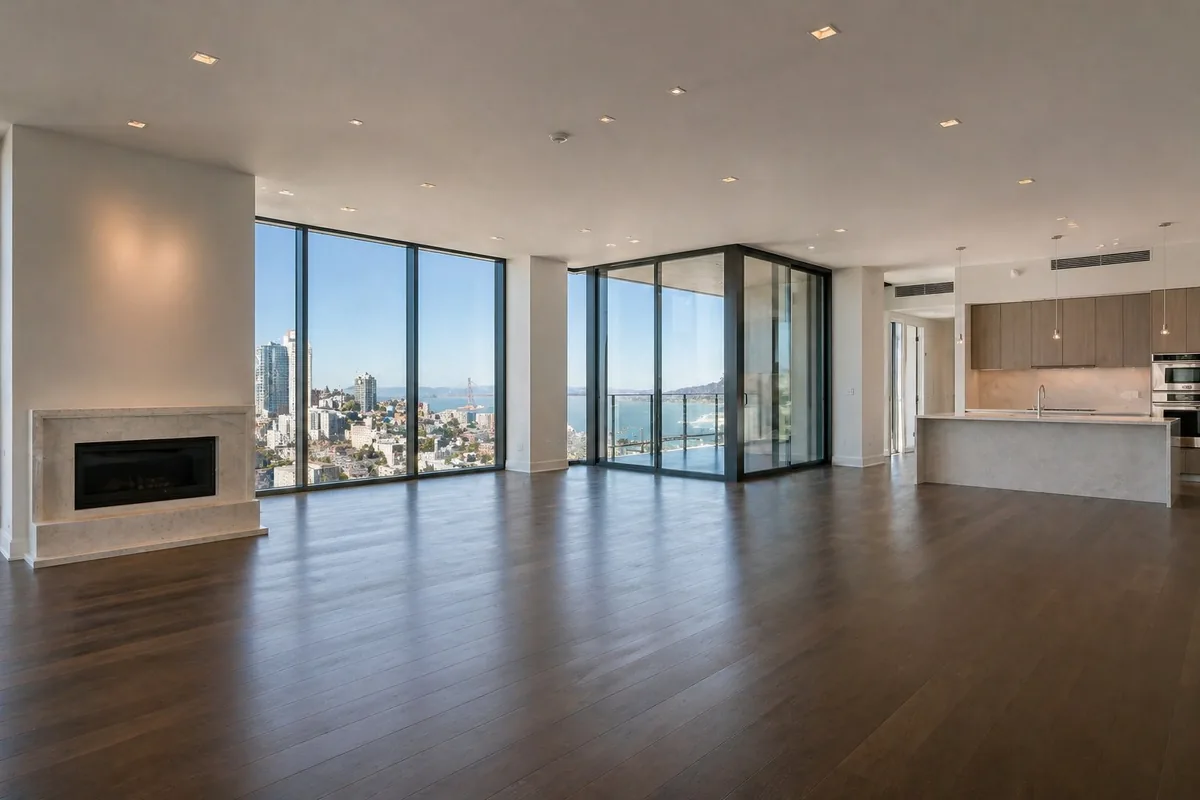
An empty unit gets cleaned more thoroughly — and shows it.
Honestly, you can. A lot of people do, and it works out fine — especially if the apartment is well-maintained, you have the time, and you are the kind of person who will actually clean the oven without cutting corners. The checklist above is everything you need.
Where it tends to fall apart is the timing. Moving is exhausting, and move-out cleaning is the last thing you want to do after a full day of lugging furniture. When people are tired and rushed, they skip the small stuff. That is exactly the stuff landlords check.
"Most people don't lose their deposit because the place was dirty. They lose it because a few specific things were missed — and those are exactly the things landlords look for."
A professional move-out clean on a one-bedroom in San Francisco runs $269. Your deposit is probably several thousand dollars. For a lot of people that math is simple, but beyond the cost there is also the peace of mind: a professional service has a checklist, knows what gets inspected, and will come back to fix anything that was missed. Your own clean does not come with that guarantee.
There is also the paper trail. A dated receipt from a professional cleaning service before your walkthrough makes it significantly harder for a landlord to charge you a cleaning fee on top of it. Under California law, landlords can only deduct cleaning costs to restore the unit to the condition it was in at move-in. A receipt does not make you untouchable, but it removes one of the easiest deductions to make.
Clean after everything is out. Not during the move, not around boxes — after. An empty unit is faster to clean, gets a better result, and leaves almost no room for missed spots. If you can, schedule the clean in the morning and your walkthrough the following day. That gives you time to do a final check after the clean, flag anything that needs touching up, and hand back the keys without second-guessing yourself.
Good luck with the move. 🌿
ArriveClean serves San Francisco, Burlingame, San Mateo, Redwood City, and the surrounding Peninsula. Flat-rate pricing, and a receipt you can show at walkthrough.
GET INSTANT QUOTE →